BORAGE -
A Little Known Secret for Maintaining Healthy Skin
Dr. Dennis T Sepp
Dr. Dennis T. Sepp is a PhD
chemist with a degree from the University of California at Santa Barbara. He has taught
Chemistry at the University level and has conducted research in medicinal chemistry. He is
the owner and formulator for ShiKai Products and continues to lecture and write about
natural cosmetic formulations. Do you have a question about cosmetic
formulation? e-mail him at:
dts@shikai.com
Borage Oil is a little known secret for
keeping your skin healthy. It is a natural oil that not only
restores moisture and smoothness to dry and damaged skin, but can also provide relief to
people who suffer from chronic skin disorders such as eczema and atopic dermatitis.
What is Borage Oil?
Borage, (borago officinalis) is a
wildflower commonly called the "starflower". It is a relatively large plant (1.5
ft. tall) with star shaped bright blue flowers and is found wild in almost all parts of
the world. It is a well known herb that has been recognized and used for over 1500 years.
The Roman historian, Pliny, writes of the virtues of borage, and it is suspected that
borage leaves, steeped in wine, were the mysterious Nepenthe elixir that Homer writes of
which causes absolute forgetfulness when drunk. In the middle ages, borage leaves were
commonly brewed into a medicinal tea.(1)
Today, the borage plant is grown and
harvested not for its leaves and stems, but rather for the very valuable oil found in its
seeds - borage oil. The great value of this oil is that it is the richest known source
(24%) of an essential fatty acid called gamma- linolenic acid (GLA).
A Little Biochemistry
Our body is capable of naturally producing
gamma-linolenic
acid. In order to do so, it must have linoleic acid (LA) as its starting material. This is
an essential fatty acid that our body is unable to make and we must ingest as part of our
everyday diet. Fortunately, we get plenty of linoleic acid in our daily diet since it is
commonly found in almost all edible vegetable oils. Once linoleic acid is ingested, it is
acted upon by an enzyme called Delta-6- Desaturase (D6D) which biochemically converts LA
into GLA . This is how we normally get our daily fix of GLA. Note the importance of the
enzyme D6D - without it we would be deficient in GLA no matter how much linoleic acid we
get in our diets. GLA is further converted, via a sequence of biochemical steps,
into a very important compound called prostaglandin 1 (PG1), a key molecule for
maintaining healthy skin. PG1 exhibits a potent anti-inflammatory effect on the skin and
also is very effective in regulating water loss and protecting skin from injury and damage
(2).
The D6D enzyme is often referred to as a
"lazy" enzyme. That is to say, it can be slow in doing its job, and under some
conditions may actually be impaired. People with skin disorders such as eczema, atopic
dermatitis, and psoriasis show increased levels of linoleic acid with a simultaneous
decrease in gamma-linolenic acid (3). This evidence strongly suggests a reduction
in the activity of the D6D enzyme. As a consequence, the resulting decrease in the
synthesis of PG1 may be responsible for the characteristic dry skin and transepidermal
water loss observed in these people. It is here that the importance of borage oil with its
rich source of gamma-linolenic acid becomes evident. Used as a dietary supplement
or even applied topically, borage oil can circumvent a "lazy" or impaired D6D
enzyme by supplying the body directly with GLA and thus allowing the production of normal
levels of PG1.

Borage Oil in your Diet and on your
Skin
Several recent studies indicate that borage
oil taken orally increases PG1 levels in the skin and suppresses chronic inflammation
(4,5,6,7). Evidence from animal studies indicates that skin disorders associated with
fatty acid imbalances can be corrected through dietary inclusion of borage oil. Similar
research with humans has confirmed these findings (8,9). In fact, a recent study (10) has
shown that dietary supplementation of borage oil for patients with skin disorders can
result in direct improvement in the condition of their skin.
Not only is borage oil excellent for your
skin when taken internally, but there is also more than enough evidence showing that, when
applied topically to your skin, borage oil has the same positive effects on clearing up
various skin disorders (11,12).
A very interesting experiment measured the
effects of skin creams containing borage oil on dry or damaged skin (13). Twenty healthy
subjects who had either dry (but otherwise normal skin) or had surfactant induced dry,
scaly skin were tested over 14 days. Results indicated that the cream containing the
borage oil was superior in restoring moisture and smoothness to both the dry skin as well
as the surfactant damaged skin. This experiment was interpreted as strong evidence that
borage oil plays an important role in restoring the intracellular moisture barrier of
adult skin which is either chronically dry or has been environmentally damaged.
Babies and Borage Oil
One of the more powerful demonstrations of
the benefits to the skin of topically applied borage oil is a clinical study (14) done on
48 infants suffering from severe infantile seborrhoic dermatitis, a common condition in
infants known as "cradle cap." This condition is characterized by dry scales and
crusts on the scalp, eyelids, face, armpits, breast and groin. The infants were treated
twice daily with topically applied borage oil and the condition cleared within two weeks.
Not only was there improvement in the areas where the borage oil was directly applied, but
also in the areas where it was not. This result indicated that the borage oil was
effectively absorbed through the skin and became available throughout the body as a source
of gamma-linolenic acid for the biosynthesis of Prostaglandin 1. If the treatment
was discontinued, the symptoms came back within 1 week. However, if the treatment was
maintained until the infants became 7 months old and was then stopped, there was no
relapse.
The authors hypothesized that these infants
were born with an immature D6D enzyme system and were unable to produce sufficient
gamma-linolenic
acid on their own, thus giving rise to the symptoms of "cradle cap". The borage
oil treatment corrected the symptoms by supplying GLA until the infant's own enzyme system
caught up.
Conclusions
There is ample evidence from research on
both humans and animals showing that borage oil has a significant effect on improving the
health and appearance of skin tissue. Clinically, borage oil has been shown to be a very
effective agent for treating skin disorders and for alleviating the inflammatory symptoms
associated with these disorders. For everyday use, borage oil has been shown to be very
effective in treating the redness, inflammation, and moisture loss associated with dry
skin.
Whether you take borage oil orally or apply
it to your skin, it appears to positively affect the texture, suppleness and moisture
content of skin.
Simply put, borage oil is good for your
skin.
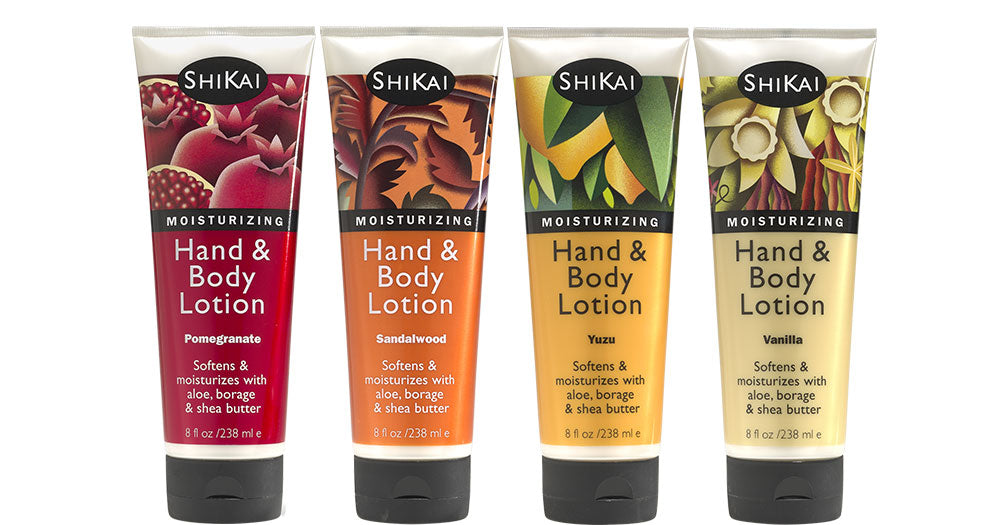
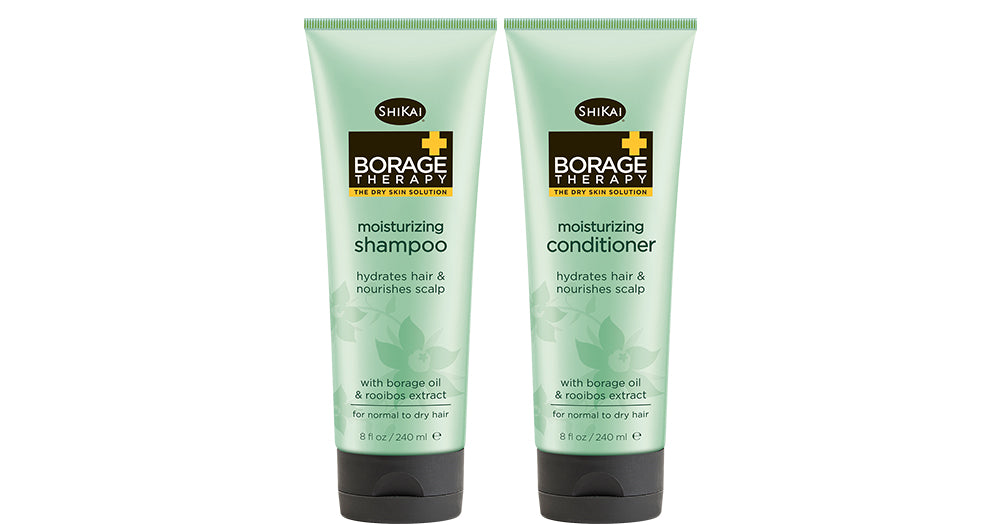
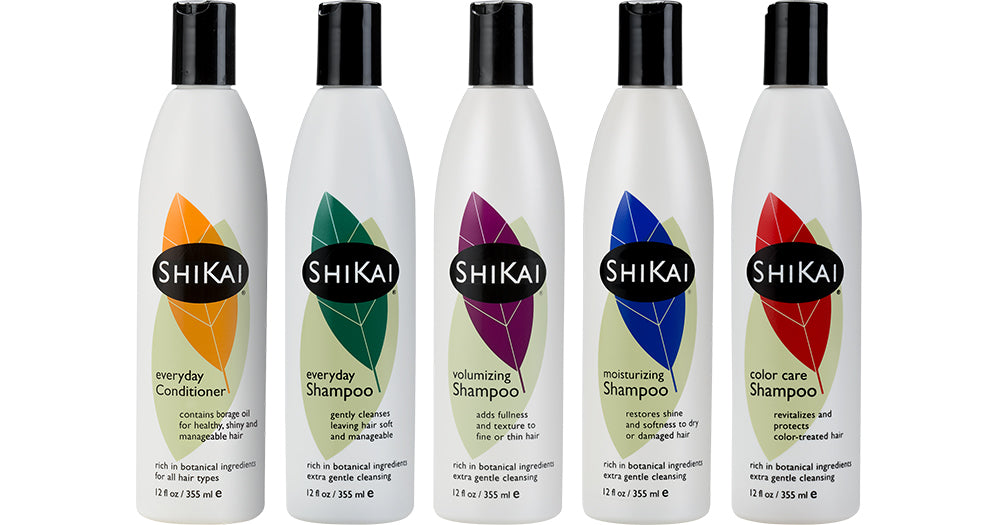
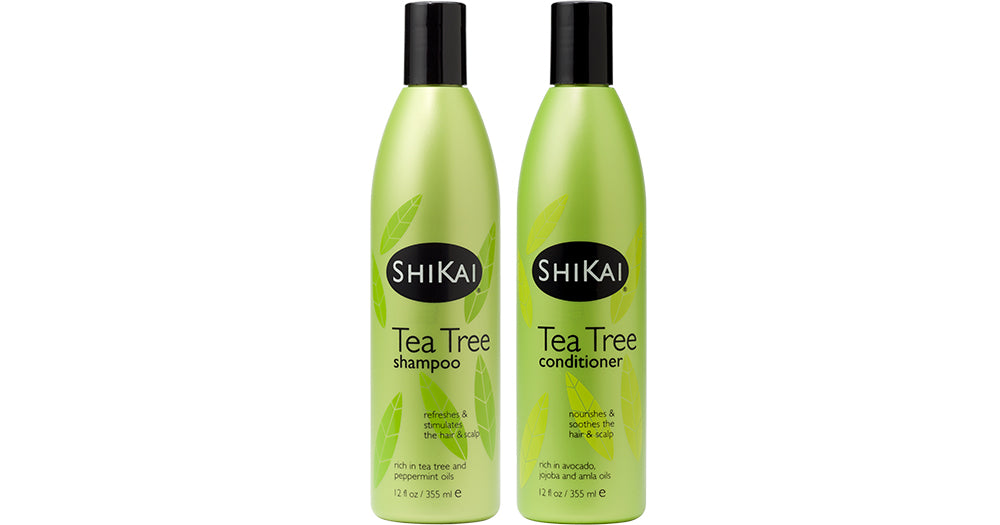
BUY THESE PRODUCTS
References
Grieve, M.,
A Modern Herbal (Vol 1) Dover Publications, NY 1971 p.119.
2. Ziboh, V and Miller, C. 1990.
"Essential fatty acids and polyunsaturated fatty acids: Significance in Cutaneous
Biology". Annu. Rev. Nutr. 10:433.
Melnick, B and Plewig, G. 1991. "Atopic
Dermatitis and Disturbances in Essential Fatty Acid and Prostaglandin E Metabolism"
J.
Amer. Acad. Dermatol 25:859.
Iverson, L., Fogh, K., and Kragballe, K.
1992. "Effects of Dihomo gamma Linolenic Acid and 15-lipoxygenase Metabolite
on Eicosanoid Metabolism by Human Mononuclear Leukocytes in vitro: Selective
Inhibition of the 15-lipoxygenase Pathway" Arch. Dermatol. Res. 284:222.
Miller, C., Ziboh, V., Wong, T., and
Fletcher, M. 1990. "Dietary Supplementation with Oils Rich in (n-3) and (n-6) Fatty
Acids Influences in vivo Levels of Epidermal Lipoxygenase Products in Guinea
Pigs". Lipids. 120:36.
Bauer, P.M., Van de Kerkhof, P.C.M., and
Maassen de Grood, R. 1986. "Epidermal Hyperfroliferation Following Induction of
Microabscesses of Leukotriene" B4. Br. J. Dermatol. 114:409.
Tate, G., Mandell, B.F., Laposata, D.,
Ohliger, D., Baker, D.G., Schumacher, H.T. and Zurier, R.B. 1989. "Suppression of
Acute and Chronic Inflammation by Dietary gamma-Linolenic Acid".
J.
Rheumatol. 16:729.
Ziboh, V.A. and Fletcher, M. 1992.
"Dose-Response Effects of Dietary gamma-Linolenic Acid Enriched Oils on
Human Polymorphonuclear - Neutrophil Biosynthesis of Leukotriene" B4.
Amer.
J.Clin. Nutr. 55:39.
Ziboh, V.A. 1995. "The Biological /
Nutritional Significance of gamma- Linolenic Acid in the Epidermal Metabolism and
Generation of Potent Biological Modulations". Inform. 6;4:519.
Bahmer, F.A. and Schafer, J. 1992.
"Treatment of Atopic Dermatitis with Borage Oil (Glandol) - A Time Series Analysis
Study". Aktuel. Dermatol. 18:385.
Diezel, W.E., Schulz, E., Skanks, M. and
Heise, H. 1993. "Plant Oils: Topical Application and Anti-Inflammatory Effects
(croton oil test)". Dermatol. Monatsschr. 179:173.
Elias, P. 1993. as quoted in: R.L. Goldberg.
"The Compounder's Corner: Exotic Claims". Drug and Cosmetic Ind. Jan.,
p.40.
Nissen, H.P., Blitz, H., and Muggli, R.
1995. "The effects of gamma-Linolenic Acid on Skin Smoothness, Humidity and
TEWL - A Clinical Study". Inform. 6;4:519.
Tolleson, A., and Frithz, A 1993.
"Borage Oil: An Effective New Treatment for Infantile Seborrhoic Dermatitis".
Brit.
J. Dermatol. 129:95 |